By Zainab Muhammad Sabitu
Persistent vaccine misinformation, gaps in routine immunization, and fragile health delivery systems pose serious threats to sustaining global gains against poliomyelitis, experts and health advocates warned on Thursday.
Despite a massive 99.9 per cent reduction in global polio cases since eradication initiatives began, public health officials stressed that unvaccinated children in hard-to-reach and underserved communities remain acutely vulnerable to permanent paralysis or death if transmission is not completely halted.
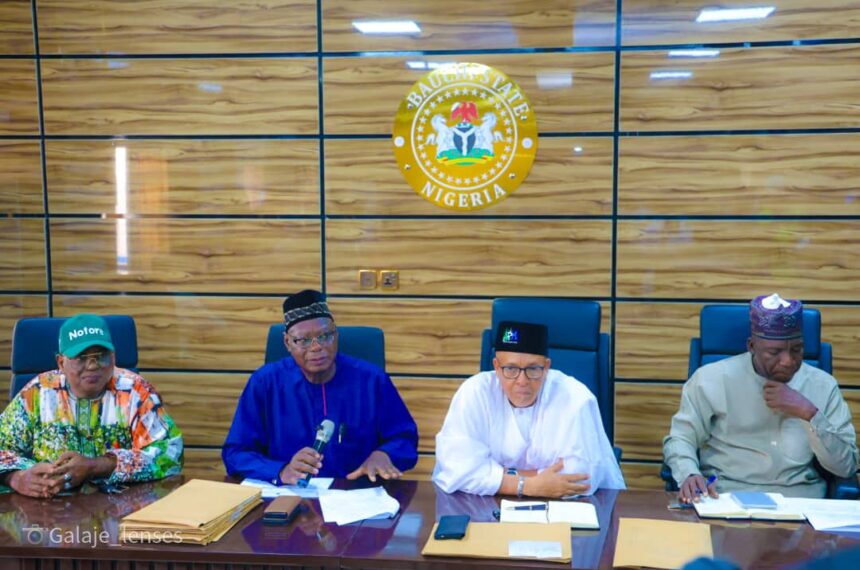
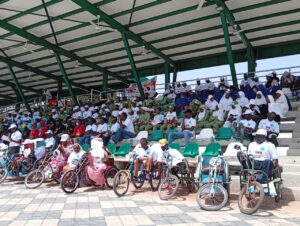
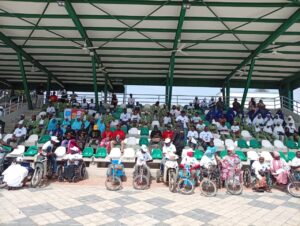
The warning was issued during the 2026 World Polio Day commemoration in Bauchi, organized by the Bauchi State Government in collaboration with Rotary International and the United Nations Children’s Fund (UNICEF).
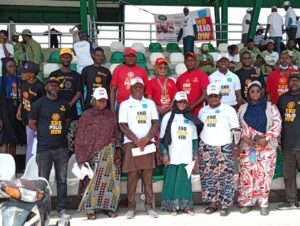
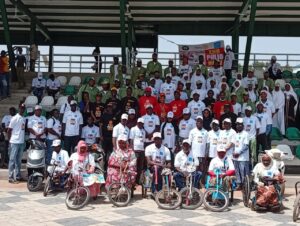
The event, themed “One Day, One Focus: Ending Polio for Good,” featured a public awareness road walk from the Emir’s Palace to the Bauchi State Government House.
Delivering an address on behalf of the Wife of the Bauchi State Governor, Hajia Aisha Bala Mohammed, the Permanent Secretary, Ministry for Women Affairs and Child Development, Hajia Talatu Musa, called on families across the state to prioritize routine child immunization.
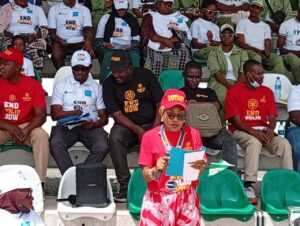
She urged parents and caregivers to ensure that all eligible children receive recommended vaccines, while emphasizing the societal imperative to honor polio survivors by protecting their rights, promoting inclusion, and ensuring equal opportunities for persons living with disabilities.
Speaking on the medical urgency of the campaign, Health Officer at the UNICEF Bauchi Field Office, Dr. Patrick Akor, warned that vaccine hesitancy and operational gaps must be aggressively confronted to prevent resurgence.
“Misinformation, conflicts, weak health systems, gaps in immunisation coverage and inadequate funding remained major threats to the global polio eradication effort,” Akor stated, emphasizing that polio is “a highly infectious viral disease capable of causing permanent paralysis or death, particularly among children under five.”
Akor called for intensified routine immunisation and targeted vaccination drives, particularly among “zero-dose” children who have never received a vaccine.
“Let us counter vaccine misinformation and encourage parents to bring their children for vaccination, support health workers and share accurate information about the importance of immunisation,” Akor urged, adding that investments in polio eradication ultimately strengthen broader healthcare infrastructure and disease surveillance.
Reinforcing the message of vigilance, the President of Rotary Club Bauchi, Ambassador Comfort Attah, noted that while the Global Polio Eradication Initiative has achieved unprecedented historic progress, victory is incomplete as long as the virus exists anywhere.
Attah highlighted Rotary’s ongoing support through its PolioPlus program, emphasizing that rebuilding trust is paramount to overcoming community resistance.
“Public confidence in vaccination could be strengthened by providing accurate information, building trust and addressing concerns that discourage parents from allowing their children to receive polio vaccines,” Attah noted, calling on traditional and religious leaders to serve as active advocates for child health.
The commemoration brought together top officials from the Bauchi State Primary Health Care Development Board, the State Ministry of Health, the World Health Organization (WHO), Rotarians, Rotaractors, polio survivors, and community mobilizers to reaffirm their commitment to a polio-free Nigeria.